Every morning before the emails start arriving, before meetings begin filling the calendar, and before the noise of the day takes over, you'll usually find me on the water.
Some mornings it's a kayak.
Some mornings it's a paddleboard.
What started as a way to exercise and enjoy the outdoors has gradually become something more valuable. Over time, those quiet hours on the water have become one of my favorite places to think.
Not because they help me escape business.
Because they help me understand it.
The longer I've spent paddling, the more I've realized that many of the challenges we face on the water aren't all that different from the challenges we face in business. The environment changes. Conditions become unpredictable. Plans rarely unfold exactly as expected. Progress can feel slow. And sometimes the most important thing you can do is simply keep moving forward.
The lessons are surprisingly similar.
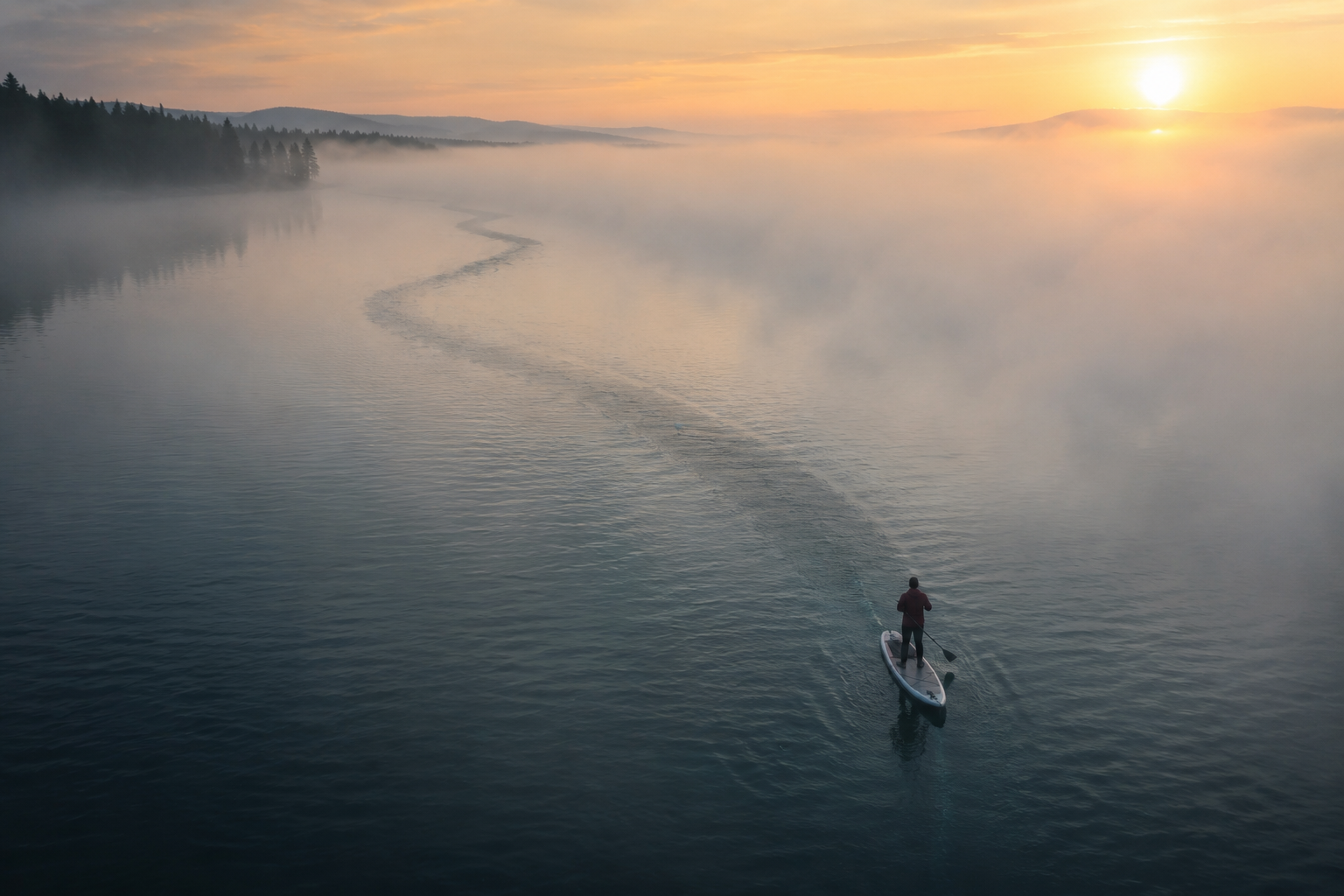
Progress Doesn't Always Feel Like Progress
Some mornings the water is calm.
The sun is rising. The surface is smooth. Every paddle stroke seems to move you effortlessly forward.
Other mornings are different.
The wind picks up. The current works against you. You paddle harder but feel like you're moving slower than usual.
Business often feels the same way.
We naturally associate progress with visible results. Revenue growth. New customers. Promotions. Milestones.
But some of the most important progress happens during periods when the results aren't immediately obvious.
Building a business, leading a team, or growing a career often requires pushing through periods where effort and results don't seem perfectly connected. You're learning. Improving. Building momentum. The progress is happening, even if it doesn't feel dramatic in the moment.
The water has taught me that movement matters, even when the destination doesn't seem to be getting closer as quickly as I'd like.
Not every day needs to feel productive to be productive.
The Water Doesn't Care About Your Plan
One thing I've learned from countless mornings on the water is that nature rarely consults your schedule.
You can launch with a clear plan for where you want to go and how long it will take to get there.
Then the wind changes.
Boat traffic creates unexpected wake.
Weather shifts.
Conditions evolve.
Suddenly the route you planned no longer makes sense.
Business has a way of doing the same thing.
We build budgets, forecasts, strategic plans, and growth initiatives. We map out what we expect the next quarter, year, or even five years to look like.
Then reality arrives.
Markets change.
Customers change.
Competition changes.
Technology changes.
The strongest leaders I've met aren't the ones who create perfect plans.
They're the ones who adapt when conditions change.
Planning is important.
But flexibility is often more valuable.
The goal isn't to avoid surprises.
It's to respond effectively when they arrive.
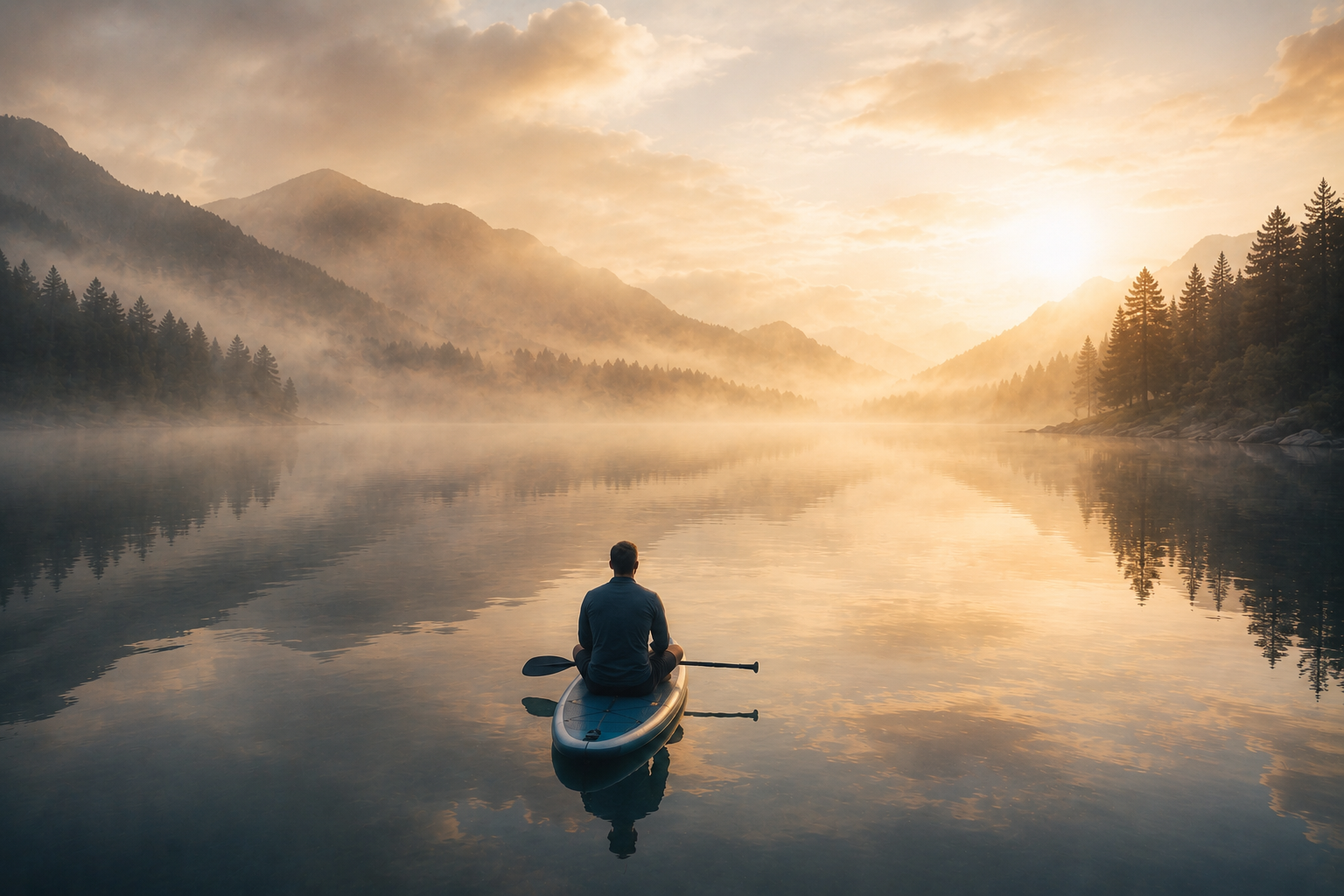
Some of the Best Decisions Happen in Silence
One of the things I appreciate most about being on the water is the absence of noise.
No notifications.
No meetings.
No dashboards.
No constant stream of information demanding attention.
Just enough quiet to think.
Modern business leaders are surrounded by more information than ever before. We have reports, analytics, emails, text messages, alerts, and meetings filling nearly every available moment.
Ironically, having access to more information doesn't always create more clarity.
Sometimes it creates the opposite.
I've found that some of my best ideas, decisions, and solutions don't arrive while I'm actively working on a problem. They arrive when I create enough space to think about it differently.
The water has a way of providing that space.
Problems that seemed complicated often become simpler.
Questions that felt urgent become easier to prioritize.
Decisions that felt overwhelming become clearer.
Sometimes the most productive thing a leader can do isn't work harder.
It's create enough distance to think better.
Endurance Beats Intensity
Anyone can paddle hard for a few minutes.
The real challenge is maintaining steady effort over a longer period of time.
If you've ever spent a significant amount of time kayaking or paddleboarding, you learn quickly that bursts of intensity are rarely the most effective strategy. Going all out at the beginning usually leaves you exhausted long before the journey is over.
The people who cover the most distance are often the ones who find a sustainable rhythm.
Business works the same way.
Success is often portrayed as dramatic moments of breakthrough, but most meaningful achievements are built through consistency.
Showing up.
Making progress.
Solving problems.
Improving incrementally.
Day after day.
Month after month.
Year after year.
The leaders and organizations that succeed over the long term aren't always the fastest or the most aggressive.
They're often the most consistent.
They understand that endurance creates results that intensity alone cannot sustain.
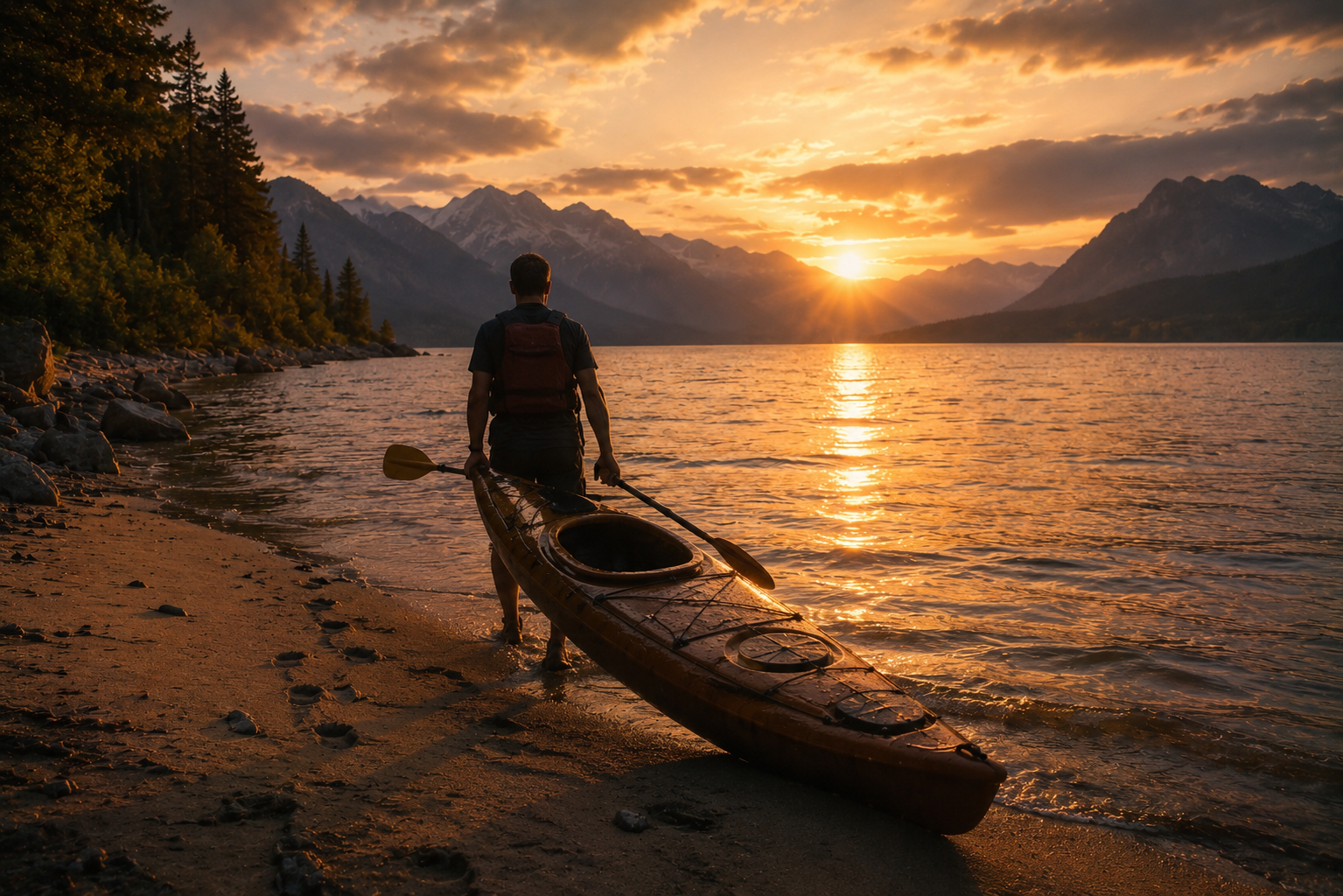
The Return Trip Is Always Different
One thing I find interesting about being on the water is that the return trip is never exactly the same as the journey out.
The conditions have changed.
The light is different.
The water feels different.
And perhaps most importantly, you're different.
You've learned something along the way.
Decision making often works the same way.
We rarely start with complete information. We make the best decision we can with what we know at the time. As we move forward, we learn. We gather new information. We gain perspective.
The person making the decision at the end of the journey isn't the same person who made it at the beginning.
That's not a flaw.
That's growth.
The goal isn't to have all the answers before you begin.
The goal is to remain open to learning as you move forward.
Progress creates perspective.
And perspective improves future decisions.
The Bottom Line | Keep Paddling
Every morning on the water reminds me of something simple.
Progress isn't always fast.
Conditions aren't always ideal.
Plans don't always unfold the way we expect.
There will be days when the wind is against you.
Days when the destination feels farther away than it should.
Days when the effort seems greater than the reward.
But movement matters.
Consistency matters.
Reflection matters.
And sometimes the most valuable thing we can do is create enough space to think clearly before deciding what comes next.
The water has taught me many lessons over the years.
Most of them had very little to do with kayaking or paddleboarding.
And almost everything to do with leadership, business, and life.
✅ Pro Tip: The goal isn't to avoid challenging conditions. It's to build the discipline and perspective needed to keep moving forward when they arrive.