I recently attended an AAHOA regional event in Oklahoma City and spent the day speaking with hotel owners, operators, and management groups from across the region.
Like most industry events, the conversations covered a wide range of topics. Labor challenges. Rising operating costs. Technology investments. Growth plans. Brand requirements. Financing.
But after enough conversations, a pattern started to emerge.
The same question kept surfacing—sometimes directly, sometimes indirectly.
It wasn't:
"How do I grow faster?"
It wasn't:
"How do I add more technology?"
And surprisingly, it wasn't even:
"How do I cut costs?"
The question I heard most often was much simpler:
How do I do more with less?
That may be the defining question facing hotel operators today.
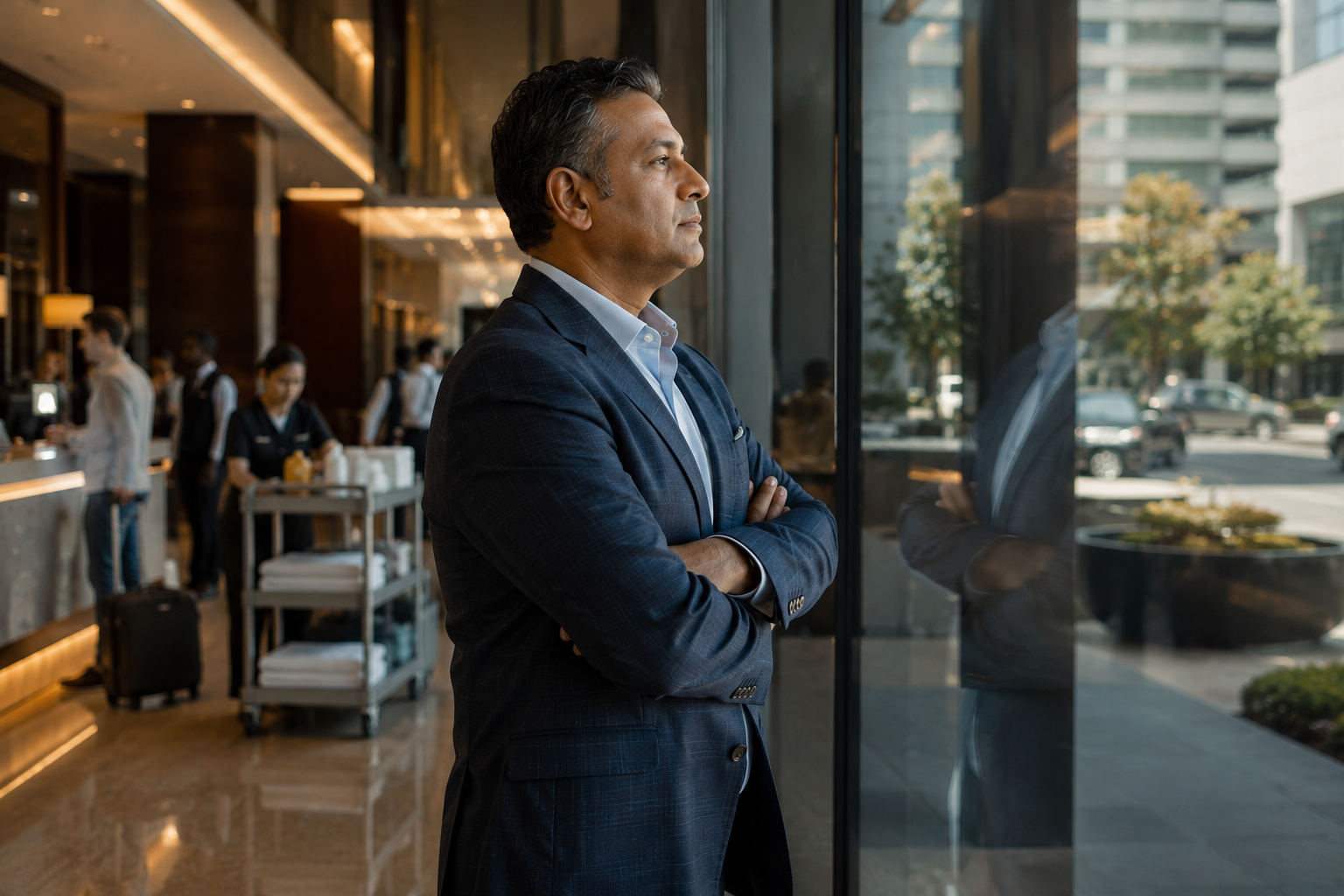
The Industry Has Changed
For years, growth often meant adding resources.
More hotels required more people. More reporting required more administrative work. More operational complexity required more oversight.
That model worked when labor was easier to find, costs were lower, and margins had more room to absorb inefficiencies.
Today's environment is different.
Labor remains one of the largest challenges facing hotel operators. Wage pressure continues across many markets. Owners are expected to deliver stronger guest experiences while simultaneously managing tighter operating margins. At the same time, management teams are often responsible for more properties, more reporting requirements, and more systems than ever before.
As a result, many hotel groups are no longer asking how to add resources.
They're asking how to get more value from the resources they already have.
That shift changes the conversation entirely.
Cost Reduction Isn't Really the Goal
One thing that stood out during the event was how few owners were actually looking for dramatic cost cuts.
Most understand that aggressive cost cutting often creates new problems. Cut too deeply and guest experience suffers. Reduce staffing too far and service levels decline. Delay maintenance and larger expenses eventually appear later.
Instead, many owners were focused on efficiency.
There is an important difference.
Efficiency isn't about spending less.
It's about achieving the same—or better—results with less friction, less waste, and fewer manual processes standing in the way.
When owners asked about labor management, reporting, accounting, or operational systems, the conversation almost always came back to efficiency.
How much time could be saved?
How much manual work could be eliminated?
How quickly could managers get answers?
The objective wasn't simply reducing expenses.
It was removing operational drag.
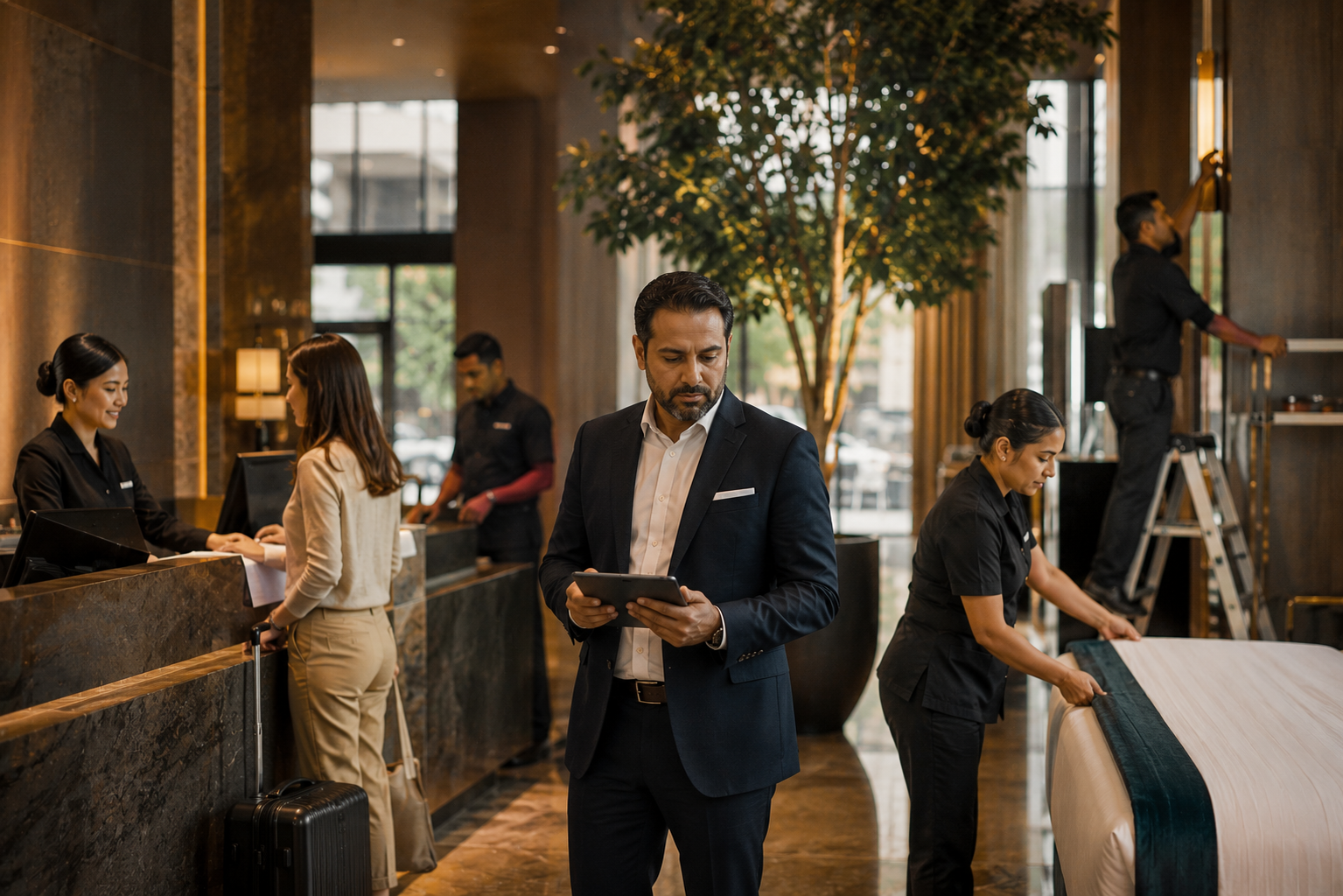
What "Doing More With Less" Actually Means
One thing became clear throughout the conversations at AAHOA: when owners say they want to do more with less, they aren't necessarily talking about reducing headcount.
They're talking about reducing friction.
They want managers spending less time building schedules and more time leading teams.
They want accounting teams spending less time reconciling spreadsheets and more time analyzing performance.
They want operational leaders spending less time gathering information and more time acting on it.
In other words, they want their people focused on decisions instead of administration.
That's an important distinction because it changes where efficiency gains actually come from.
The most successful operators aren't simply cutting costs.
They're eliminating unnecessary work.
The Hidden Work No One Talks About
What surprised me most wasn't where owners were spending money.
It was where they were spending time.
Many of the challenges discussed weren't tied directly to hotel operations. They were tied to the work surrounding hotel operations.
Building reports.
Reconciling data.
Managing spreadsheets.
Tracking labor manually.
Moving information between systems.
Answering questions that should already have answers.
None of these tasks generate revenue. None improve guest experience. Yet collectively they consume an enormous amount of time across hotel organizations.
Several conversations sounded remarkably similar.
The challenge wasn't a lack of information.
It was how much effort it took to turn information into action.
That distinction matters.
Because operational complexity doesn't always come from running hotels.
Sometimes it comes from managing everything around them.
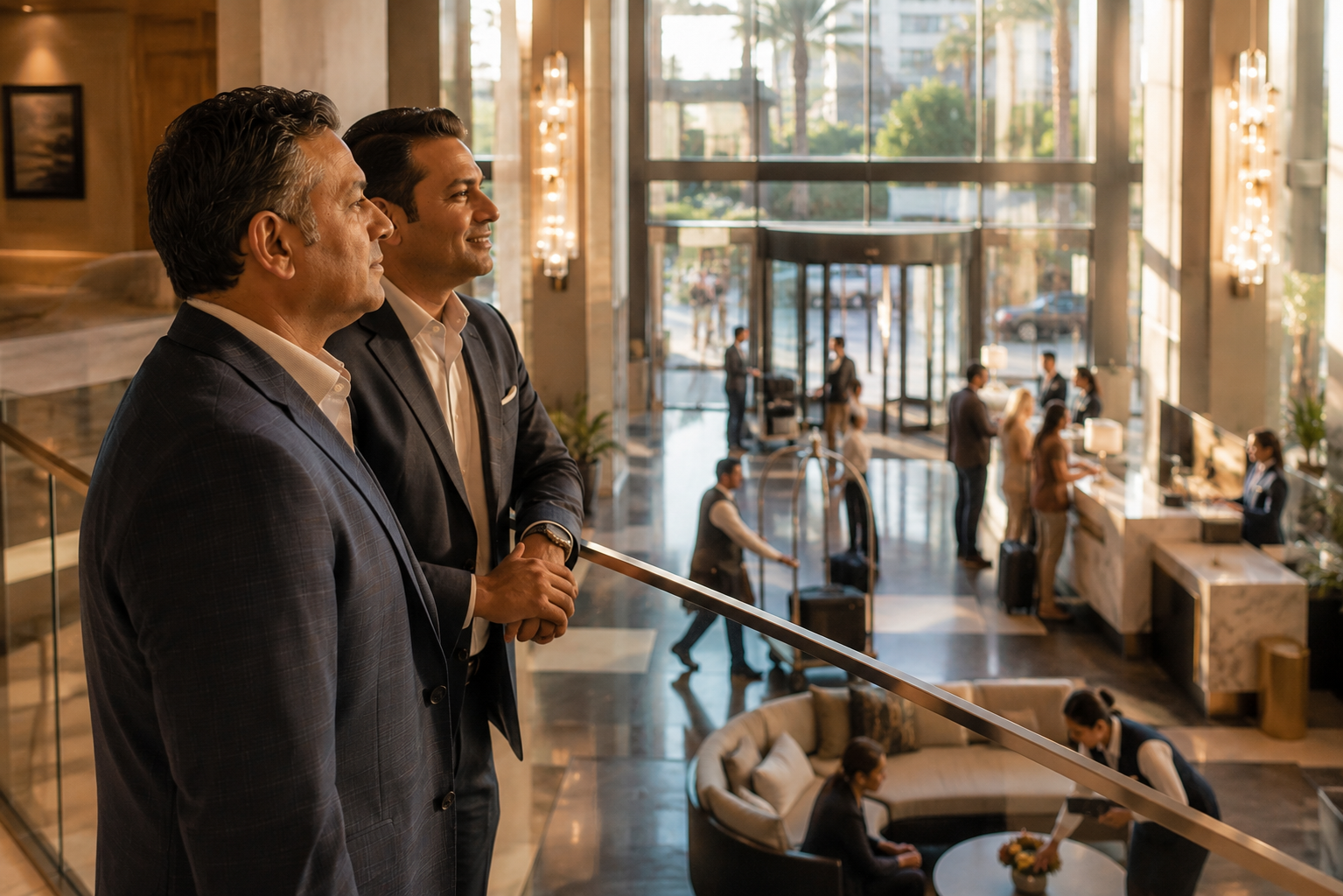
What Owners Are Seeing When Efficiency Improves
Several of the conversations I had naturally turned toward outcomes.
Not software features.
Not dashboards.
Outcomes.
Owners wanted to know what changes when operational friction starts disappearing.
The answer is often surprisingly consistent.
Managers gain confidence because they have access to information in real time instead of waiting for reports.
Scheduling becomes more proactive because labor decisions are based on demand forecasts rather than intuition.
Accounting teams close books faster because much of the manual reconciliation work has already been eliminated.
Leadership gains visibility across the portfolio without relying on spreadsheets, exports, and follow-up emails.
These are the types of improvements many Inn-Flow customers describe after implementation.
Operators frequently tell us that month-end closes happen faster because accounting, payroll, labor, and reporting are working from the same operational environment. Managers become more empowered because they have access to real-time information instead of waiting for someone else to pull a report. Regional leaders gain visibility across their portfolio without spending hours consolidating data from multiple systems.
On the labor side, some customers have been able to reduce overtime and improve labor efficiency simply by moving away from reactive scheduling. When schedules are built around forecasted demand and managers have visibility into labor performance before issues escalate, decisions become more proactive and less dependent on guesswork.
The result isn't necessarily fewer people.
It's often the same people operating with better information, better visibility, and greater confidence.
Perhaps most importantly, teams spend less time chasing answers and more time solving problems.
That shift may be one of the most valuable efficiency gains of all.
Why Efficiency Has Become a Competitive Advantage
The strongest operators I've spoken with over the last year aren't necessarily the ones spending the least.
They're the ones creating the least friction.
Their teams spend less time chasing information.
Managers make decisions faster.
Reporting is easier.
Visibility is stronger.
Communication is simpler.
That creates an advantage that compounds over time.
A few minutes saved here.
An hour saved there.
Fewer manual processes.
Faster decisions.
Better alignment.
Individually, these improvements seem small.
Collectively, they create organizations that move faster and operate with more confidence.
And in today's environment, speed and clarity are becoming competitive advantages.
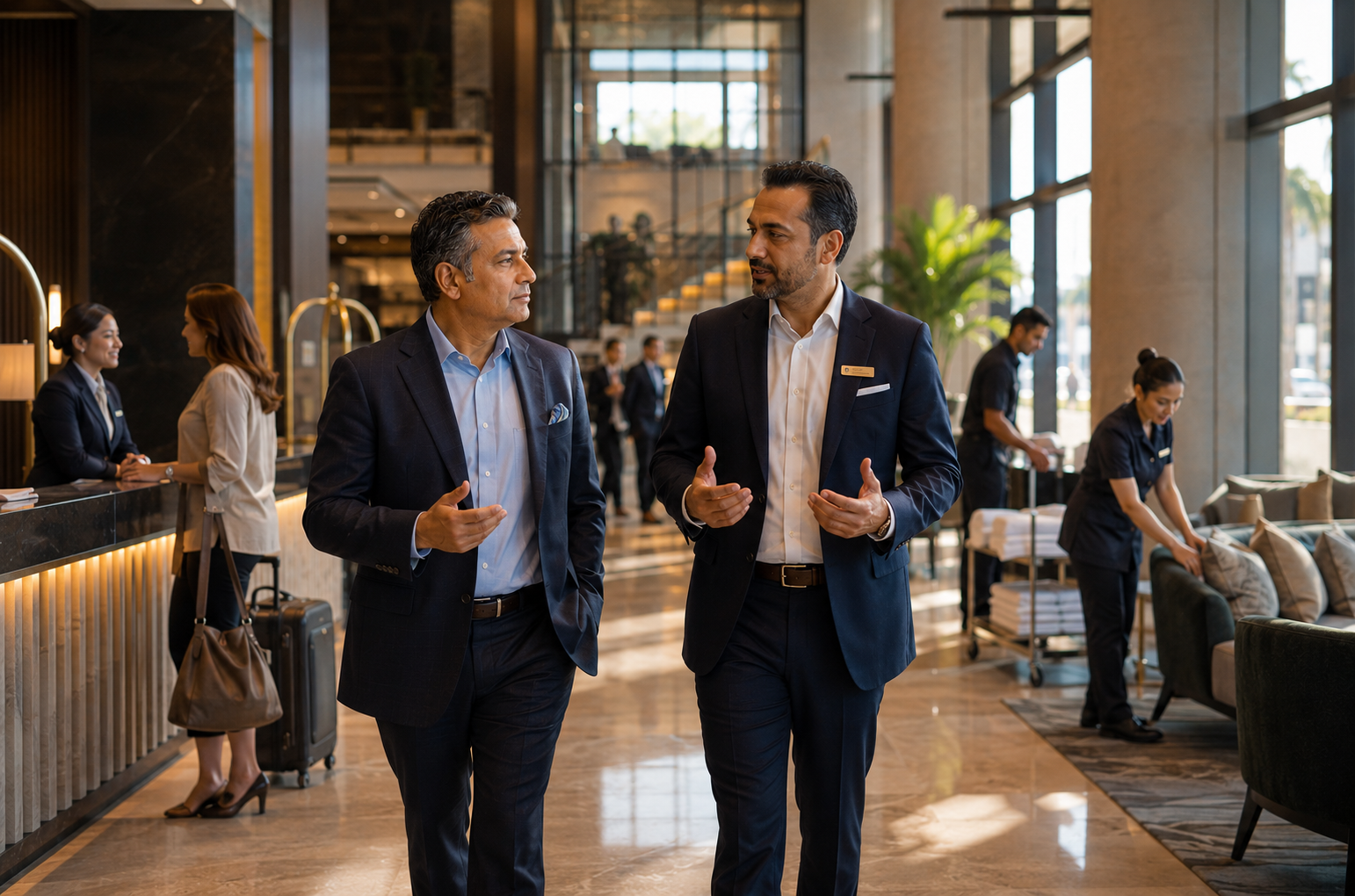
Where Technology Fits Into the Conversation
Technology came up in many of the conversations at the AAHOA regional, but not in the way people often assume.
Very few owners were looking for technology for technology's sake.
They weren't asking for more dashboards.
They weren't asking for more systems.
They weren't asking for more data.
They were asking for simplicity.
How can we eliminate unnecessary work?
How can we reduce duplication?
How can we make it easier for our teams to focus on running hotels?
That perspective is important.
The best technology investments don't create more complexity.
They remove it.
Whether the conversation involved accounting, labor management, reporting, or operations, the goal was remarkably consistent:
Create more efficiency without sacrificing performance.
That's one of the reasons conversations around Inn-Flow continue to resonate with many operators. The appeal isn't simply automation or software. It's the opportunity to connect labor, accounting, payroll, and reporting into a single environment that reduces operational friction and helps teams accomplish more without continually adding headcount.
The Bottom Line | Hotel Owners Aren't Looking for Shortcuts
If I had to summarize the overall sentiment from AAHOA in one sentence, it would be this:
Hotel owners aren't looking for shortcuts.
They're looking for leverage.
They want stronger visibility without more reporting.
Better decisions without more meetings.
More accountability without more administrative work.
And increasingly, they're looking for technology that helps their teams operate with greater confidence rather than simply producing more data.
That's ultimately why the conversations around efficiency resonated so strongly in Oklahoma City.
The goal isn't doing less.
It's accomplishing more with the same people, the same hours, and the same resources.
The specific solutions may vary from one organization to another, but the underlying question appears remarkably consistent.
How do we do more with less?
Based on the conversations I had at AAHOA, that question isn't going away anytime soon.
And the hotel groups that answer it successfully will likely have a meaningful advantage over the years ahead.
✅ Pro Tip: The most valuable operational improvement isn't always reducing costs. Often, it's giving your team the visibility and tools they need to make better decisions, faster.